
A surgical center asks more of a building than almost any other commercial use. That is what makes these properties demanding to create and valuable when they work. Whether you are buying a building with a surgery center in place, leasing to one or building one for your practice, the real estate questions come early.
The building comes first
Operating rooms depend on infrastructure most buildings do not have. Expect close attention to ventilation and air handling, medical gas, emergency power, plumbing, ceiling heights, structural capacity and accessibility. Adding these to an ordinary office building can be costly, and sometimes it is not practical at all. An existing, working center is therefore a very different proposition from a conversion.
Licensing and certification shape the plan
Surgery centers operate under a mix of state, federal and accreditation requirements, including standards tied to licensing and to participation in programs such as Medicare. The specifics depend on ownership and on the procedures performed. Bring in healthcare counsel and an experienced design team before committing to a space, because these requirements can decide whether a building works at all.
Location is about patients and physicians
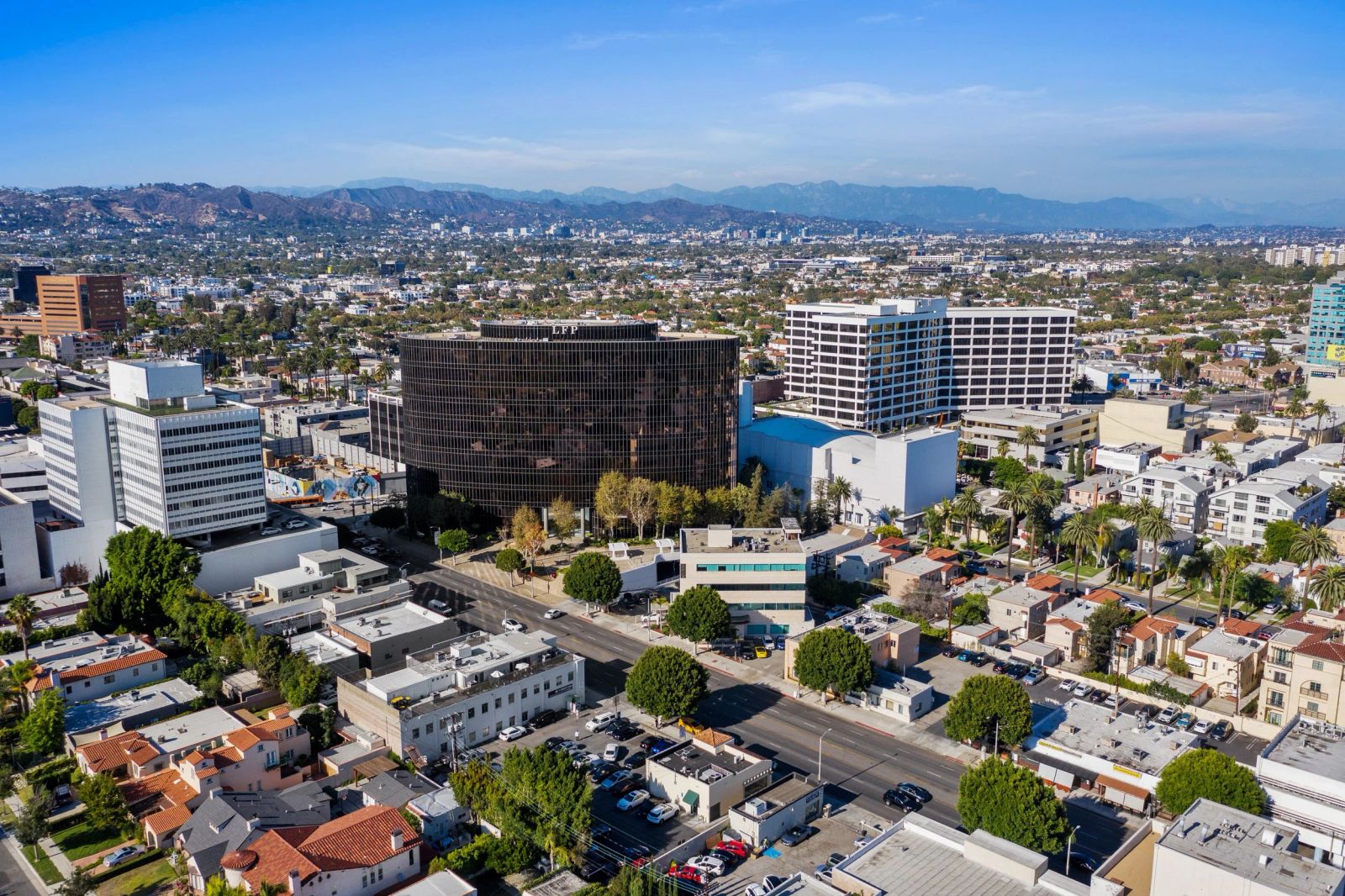
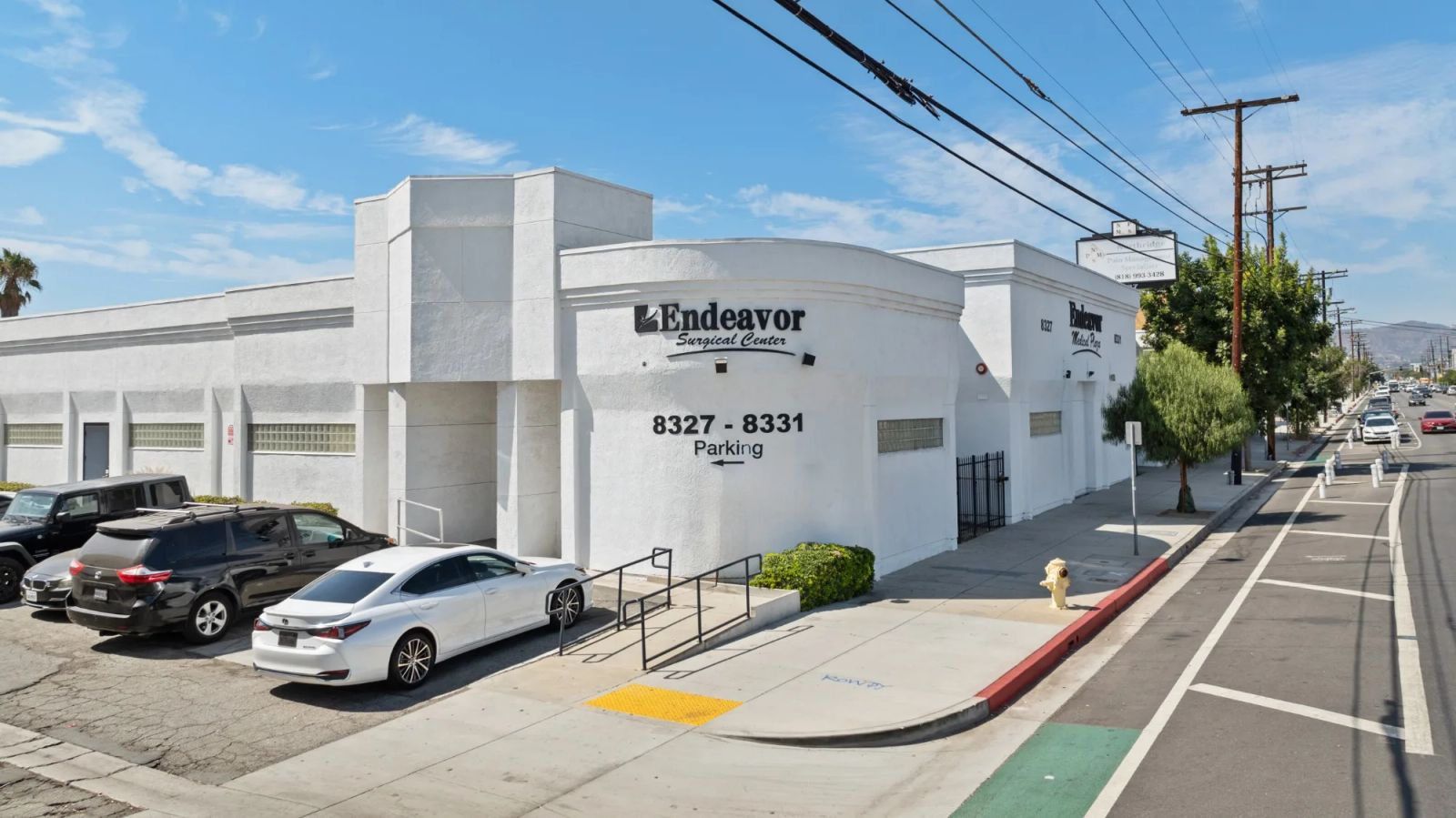
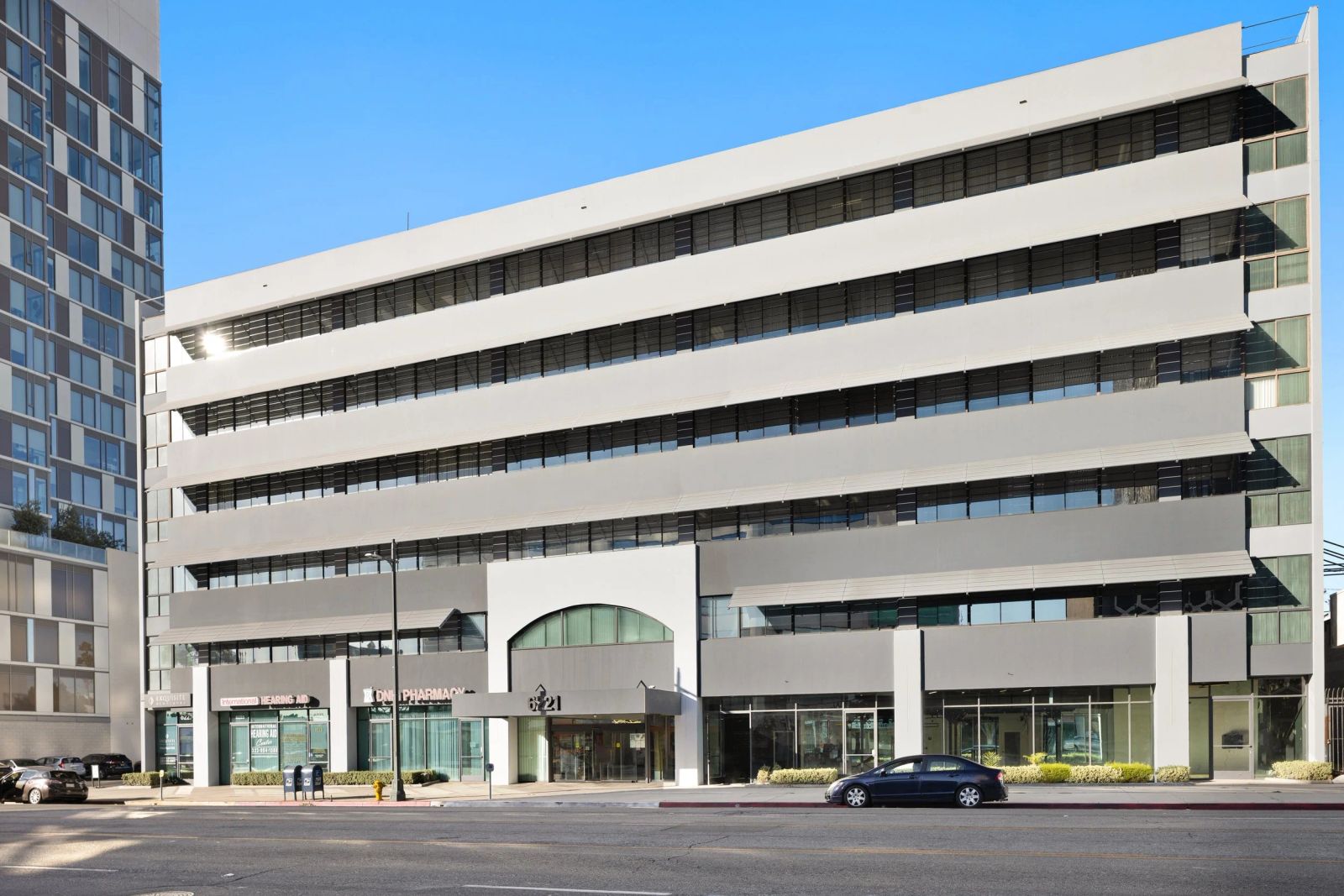
Surgical patients arrive, and leave, with help. Drop-off, parking, elevator access and clear arrival all matter more here than in a typical office. So does proximity to the referring physicians and to related practices. Properties such as the Beverly Hills Surgical Center, a freestanding medical building with a ground-floor surgery center, and the medical plaza at 8327 Reseda Blvd, a medical building with an ambulatory surgery center, show how much the setting supports the use.
For investors: the lease and the operator
An investor is buying into an operator as well as a building. Look at the remaining term, renewal options, the operator's ownership and its physician relationships. Then ask what happens if the operator leaves. Specialized improvements can be a real asset to the next surgical user and of little value to anyone else, so the depth of demand for that use in the submarket matters.
For owner-users: own or lease
Practices that invest heavily in a center often want control over the space for the long term. Owning offers that control, along with the option of a sale-leaseback later, while leasing keeps more capital in the practice. The decision should weigh the cost of the improvements, the time horizon of the partners and any succession plans.
Questions to ask early
- Can this building physically support the procedures planned?
- Which licensing and certification requirements apply, and who is confirming them?
- Do zoning and the property's existing approvals allow the use?
- How do patients arrive, and how will they leave?
- What is the property worth to the next user?
How Origin Commercial Group approaches medical property
As a commercial brokerage in Los Angeles, our work includes medical and healthcare assets, from medical arts buildings to freestanding properties, for investors and for the practices that occupy them. If you are weighing a medical property decision, speak with our team.
This article is general information, not tax, legal, medical compliance or financial advice. Properties are shown as representative assignments and are not offered for sale here.