

The Los Angeles commercial brokerage guide
How to choose a commercial brokerage in Los Angeles, how the market works, and which properties suit which owners.
What does a commercial brokerage in Los Angeles do?
A commercial brokerage in Los Angeles represents owners, buyers, landlords and tenants in the sale and leasing of commercial property, and advises them on what to do next. A good one tests each property against a specific objective and a price the facts can defend, looking at the block, the tenant and lease, the building, what zoning allows, and the costs that change at each city line.
- 01The owner’s objective: income, growth, occupancy or preservation
- 02The block: frontage, access, parking and neighboring tenants
- 03The tenant and the lease, and what follows if the tenant leaves
- 04The building, its systems, and who else could use it
- 05Zoning, and what the property can become
- 06City lines: transfer taxes and reassessment on a change in ownership
Where to start
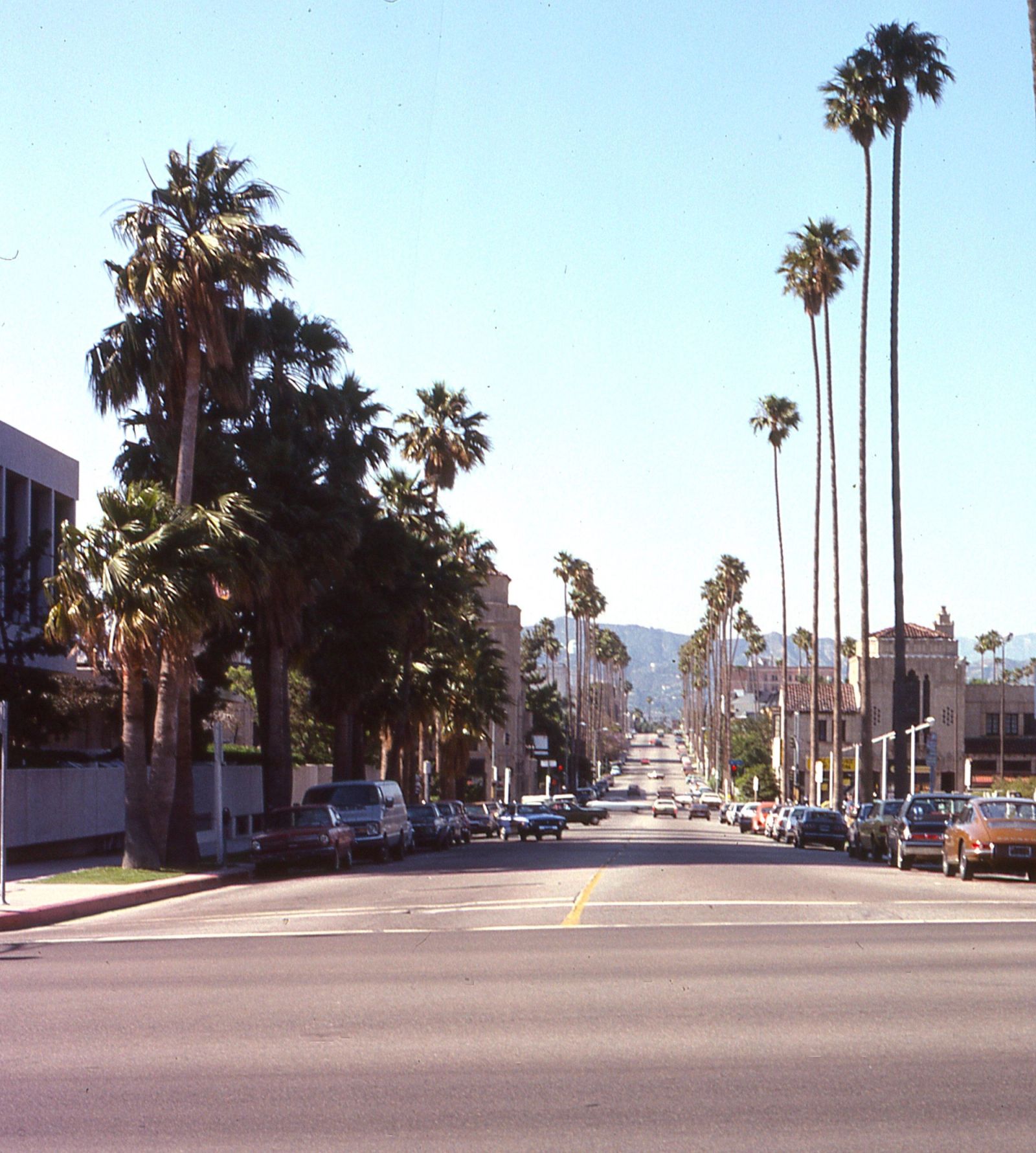
Retail and Office Compounds on La Cienega: What Owners and Investors Should Weigh
A compound that mixes retail and office on a busy Los Angeles corridor asks different questions than a single-use building. Here is what to weigh before buying, selling or leasing one.

How to Choose a Commercial Real Estate Advisor in Los Angeles
The size of a commercial brokerage tells you little about who will work on your assignment. These are the questions we would ask before choosing a brokerage in Los Angeles.
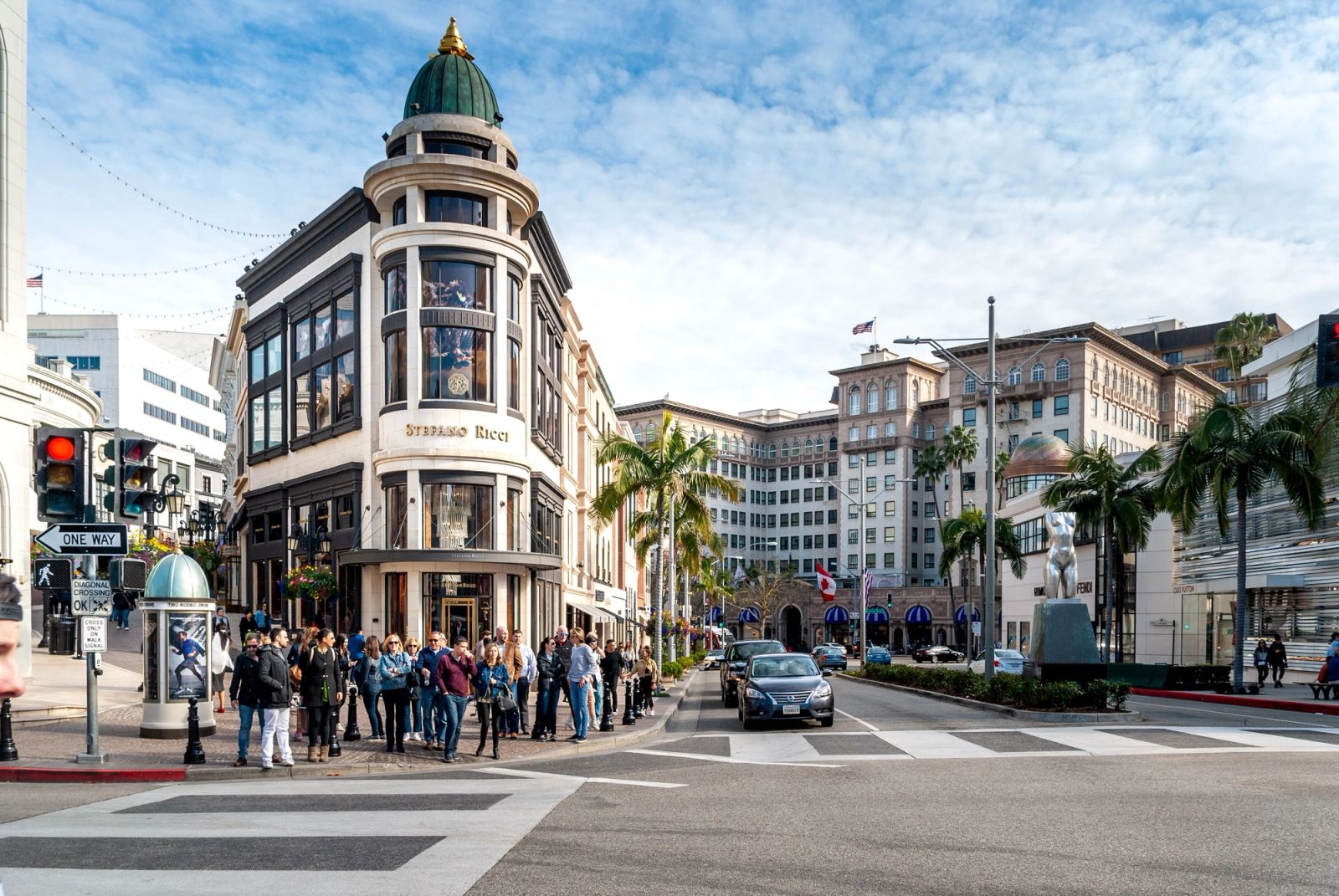
What We Look For in a Los Angeles Commercial Property
A good commercial brokerage in Los Angeles judges a property against a specific objective, not a list of famous addresses. These are the tests we would apply to any building.

A Guide to the Los Angeles Commercial Submarkets
Los Angeles does not have one commercial market. A commercial brokerage here works across corridors that suit different properties and owners. Here is how we think about the main ones.

Los Angeles Commercial Property Types, Explained
Our commercial brokerage in Los Angeles works across property types, and no type suits every owner. Each trades income, effort and flexibility differently. Here is what each one asks of you.
Where our brokerage has worked in Greater Los Angeles
A selection of our representative assignments, by submarket.
Beverly Hills
High-street retail, restaurants, medical and office in a separate city.
The Wilshire corridor
Office towers and medical buildings along the city’s main spine.
West Los Angeles
Office, retail and restaurant demand on limited supply.
Melrose and Hollywood
Identity-driven retail, new construction and development sites.
Downtown Los Angeles
Historic buildings, retail streets and pockets of industrial use.
Burbank, Glendale and the Valley
Neighborhood retail, office parks, medical and industrial.
The industrial southeast
Infill industrial on the corridors that lead to the ports.
The coast
Distinct markets that share a limited supply of property.
Common questions
Something else? Write to info@ogroupre.com
More on our commercial brokerage in Los Angeles
Look for senior people on your assignment, experience with your property type and submarket, a clear view of who the buyers or tenants are, and a process that suits how confidential the assignment needs to be.
Greater Los Angeles is many markets, and they suit different property types. Beverly Hills is known for high-street retail, restaurants and medical. Wilshire carries many of the city’s office and medical buildings. The Westside offers limited supply, and the southeast suits infill industrial close to the freeways and ports.
Typically retail, net lease, medical, industrial, office, mixed-use and land, and each suits a different owner. Net lease asks for less day-to-day management, retail rewards a strong street, medical can bring lasting tenancies, industrial benefits from limited land, and land offers the widest range of outcomes on the longest timeline.
No. Measure ULA is a City of Los Angeles transfer tax, so it applies only inside Los Angeles city limits. Separate cities such as Beverly Hills, Burbank and Glendale are outside it, and Santa Monica and Culver City have their own tiers. These rules can change, so confirm them with your advisors at the time of pricing.
Origin Commercial Group advises private investors, family offices, institutional capital and operating businesses on acquisitions, dispositions, leasing and portfolio strategy. Every engagement begins with the broader objectives before determining the path, with senior-level involvement on each assignment.