
Choosing a property type is really a choice about what you want the real estate to do and how much you want to be involved. Here is how we would frame the main categories as a commercial brokerage in Los Angeles. None of this ranks them, because the ranking changes with the owner, the price and the moment.
Retail and restaurant
The best retail depends on the street. Frontage, foot traffic, parking and neighboring tenants decide who will pay rent and for how long, and a strong corner can re-lease when a weak one cannot. Restaurant use adds value when infrastructure such as venting and grease traps is in place, and cost when it is not.
Tends to suit: owners who want a tangible location and are comfortable with active leasing. See a high-street building in Beverly Hills and a multi-tenant center on S Western Ave.
Net lease
In a net-lease property, a single tenant typically pays taxes, insurance and maintenance, so the investment reads closely to the lease. The questions are the tenant's credit, the remaining term, the rent increases, and what the building is worth if the tenant leaves.
Tends to suit: investors who want less day-to-day management, and those reinvesting through a 1031 exchange. See a single-tenant restaurant on Silver Lake Blvd.
Medical
Medical tenants invest in their space and often want to stay near their patients and referral networks, which can make for lasting tenancies. The trade-off is that the buildings are specialized: plumbing, power, parking and accessibility all matter, and licensing can affect the use.
Tends to suit: long-term holders and practices that want to own where they operate. See a medical arts building on Wilshire. Owners who occupy their building may also want to read about sale-leasebacks.
Industrial
Infill industrial in Los Angeles benefits from limited land and proximity to freeways and ports. Functionality decides the value: clear height, loading, yard, power and truck access. Multi-tenant parks spread risk across smaller users, while single-user buildings can suit owner-operators.
Tends to suit: owners who value simple buildings and steady demand from operating businesses. See a multi-tenant compound in Glendale and a park in El Monte.
Office
Office has become the most selective category, and the gap between buildings is wide. Location, floorplate, amenities, parking and the tenant roster all count, and leasing costs need careful underwriting. For the right buyer, pricing can open the way to repositioning or a conversion to another use.
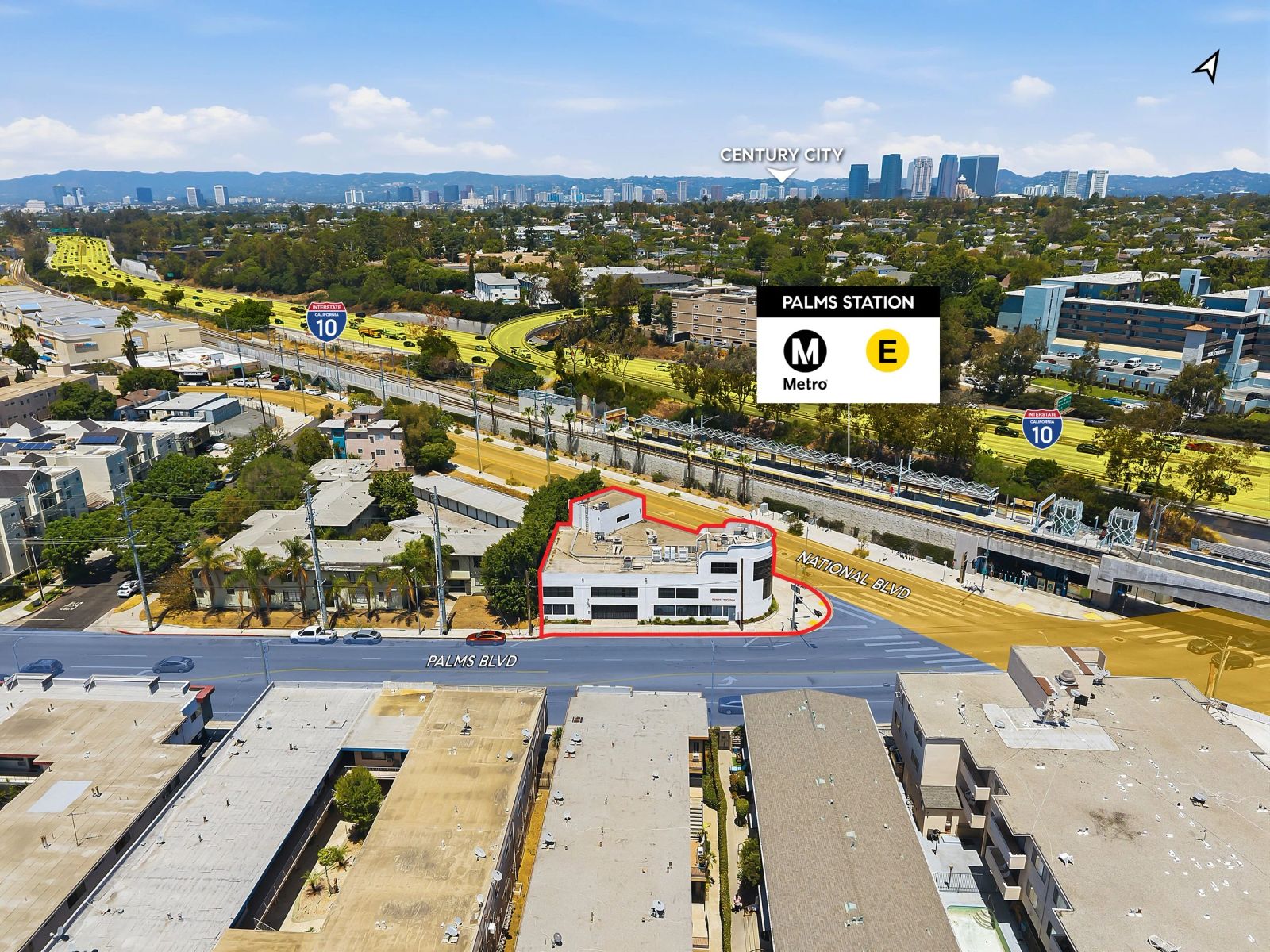
Tends to suit: experienced owners with capital and time for leasing, and owner-users buying their own space. See a freestanding office and medical building on National Blvd.
Mixed-use and land
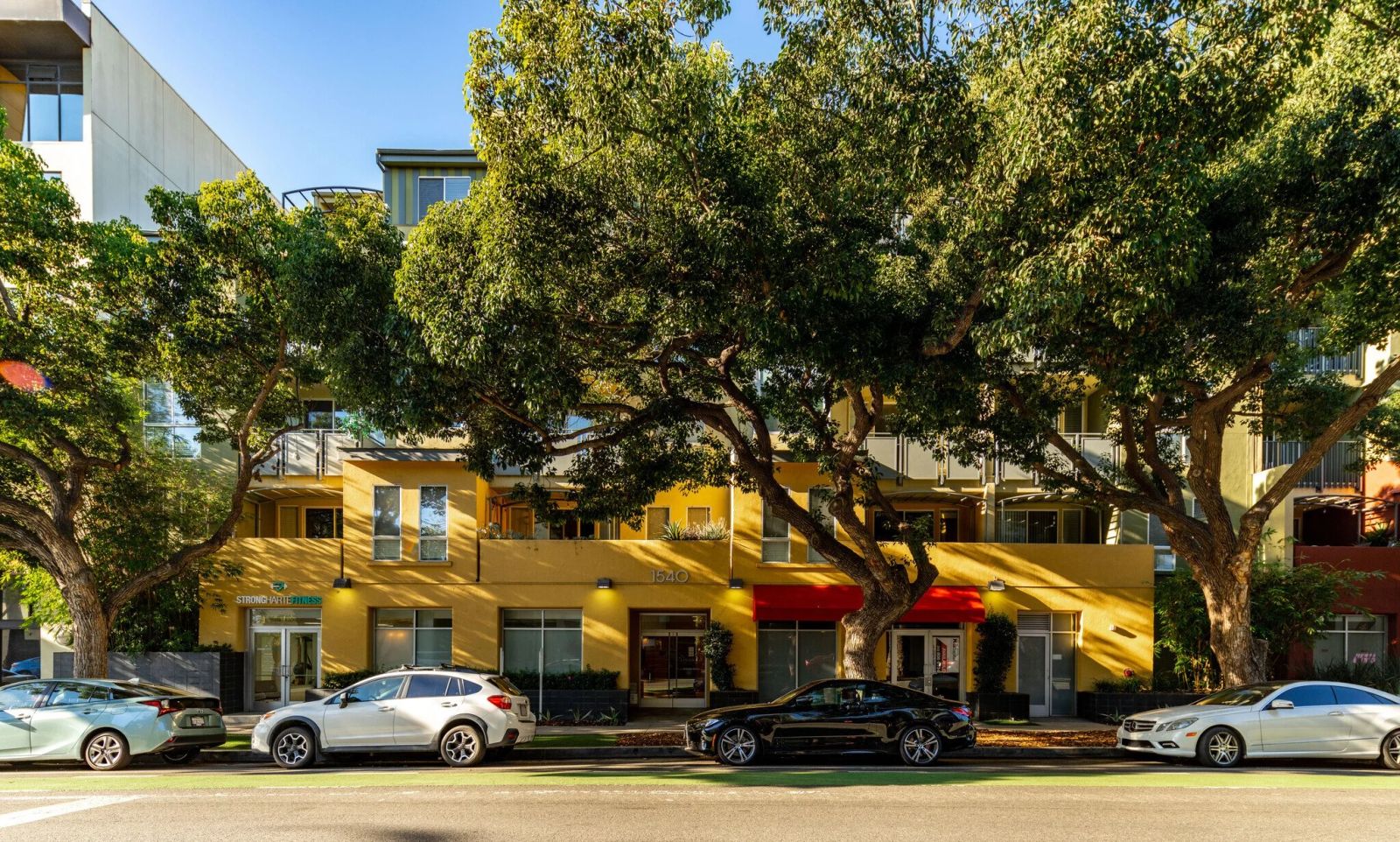
Mixed-use spreads income across retail, office or residential, and adds the complexity of managing different tenants. Land offers the widest range of outcomes and the longest timeline, since the value depends on what can be entitled and at what cost.
Tends to suit: owners with patience and a development view. See mixed-use in Santa Monica and a development site in Hollywood.
How to decide
- What is the objective? Income, growth, occupancy or preservation.
- How involved do you want to be? Net lease and multi-tenant retail ask very different things of an owner.
- How long is the hold? Short horizons and entitlement risk rarely mix.
- What is the exit? Consider who buys this property from you, and why.
A property type sets the terms, and the specific building decides the outcome. Read how to judge a property and how the submarkets differ, or see the Los Angeles hub. When you want to test a specific idea, speak with our commercial brokerage in Los Angeles.
This article is general information, not tax, legal or financial advice. Properties are shown as representative assignments and are not offered for sale here.