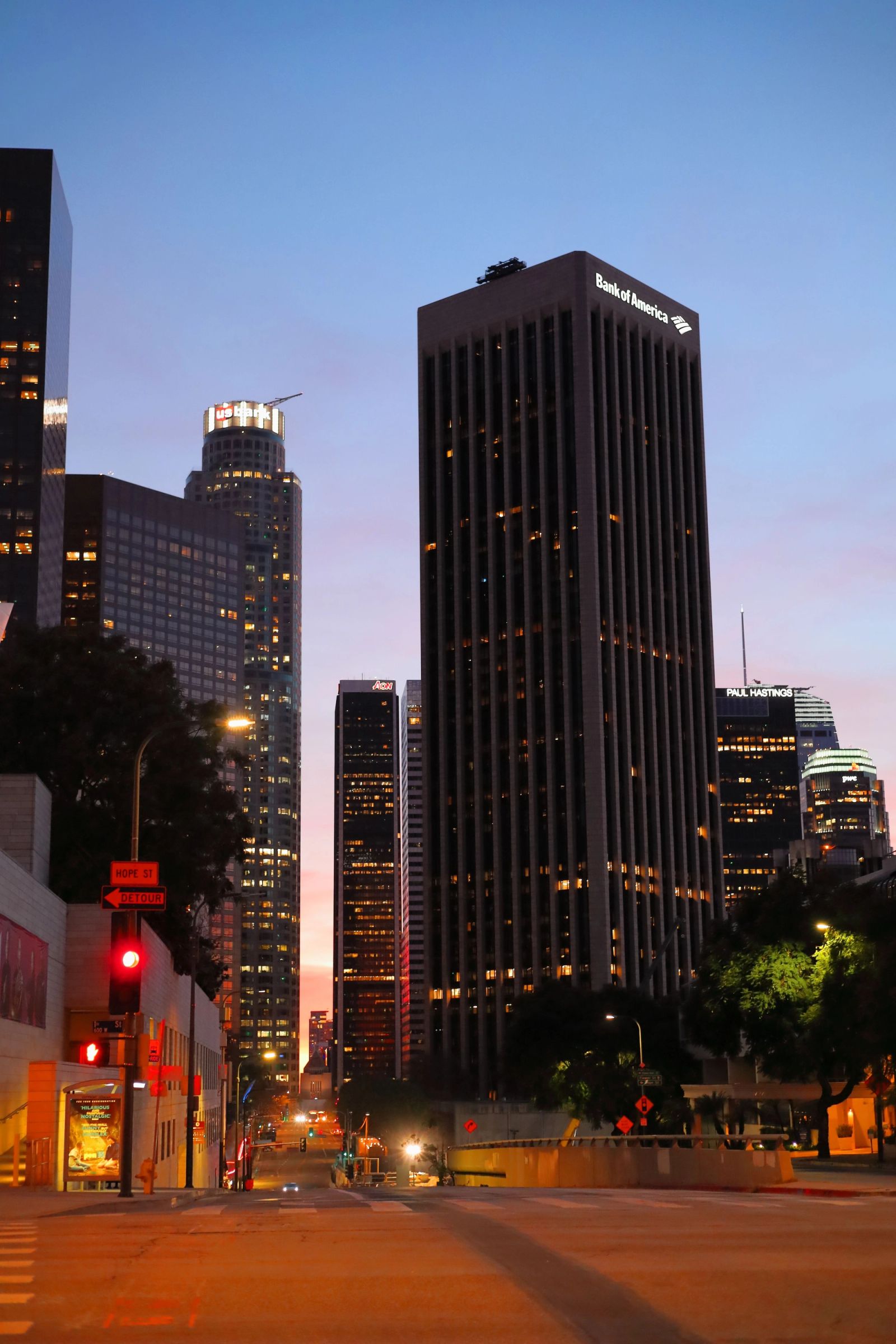
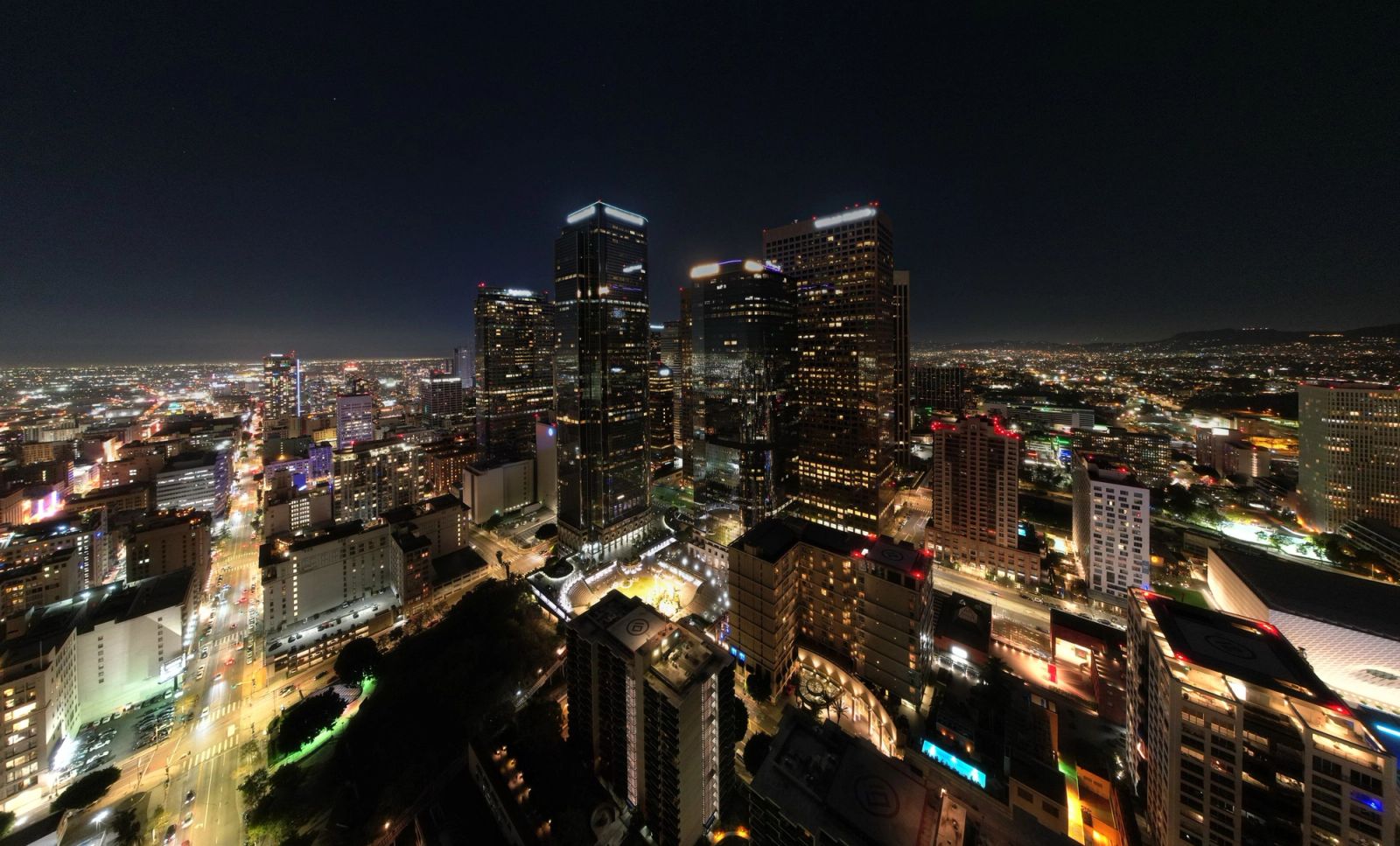
A commercial brokerage in Los Angeles has to know how the city's submarkets differ, because the right location depends on the property type and the owner's objective. A corner that is ideal for a restaurant may be wrong for a medical practice, and the best industrial sites are nowhere near the best high streets. This is a general guide to how the main submarkets differ, using properties from our own representative assignments as reference points.
Beverly Hills
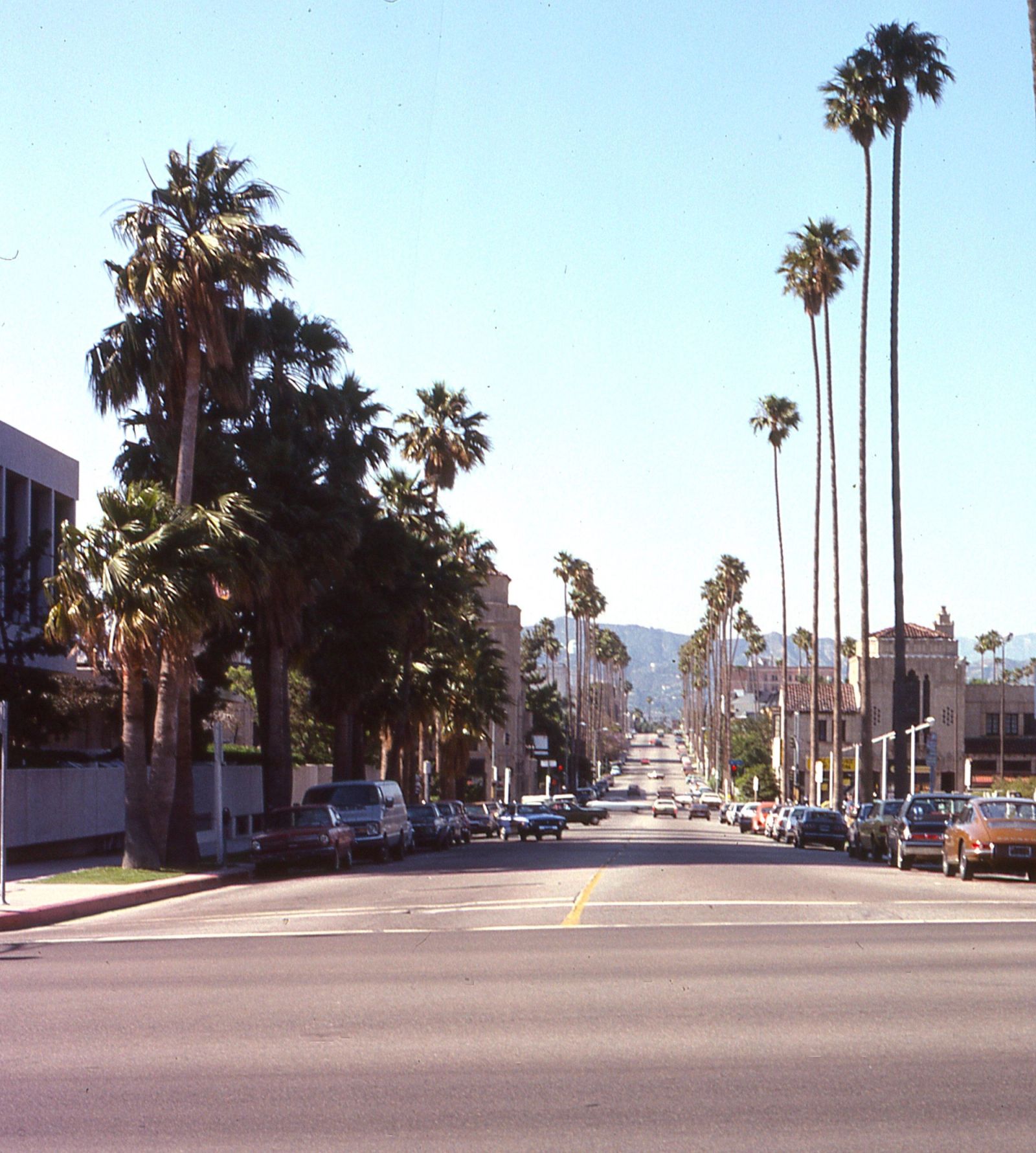
Beverly Hills is a separate city with a concentrated base of high-street retail, restaurants, medical and professional office. Owners value it for scarcity and for the strength of its address. Properties such as 210 S Beverly Dr, a high-street retail and restaurant building, 9621 Brighton Way, a mixed-use office and retail property, and 250-256 S La Cienega Blvd, a freestanding medical building with a ground-floor surgery center, show the range.
The Wilshire corridor
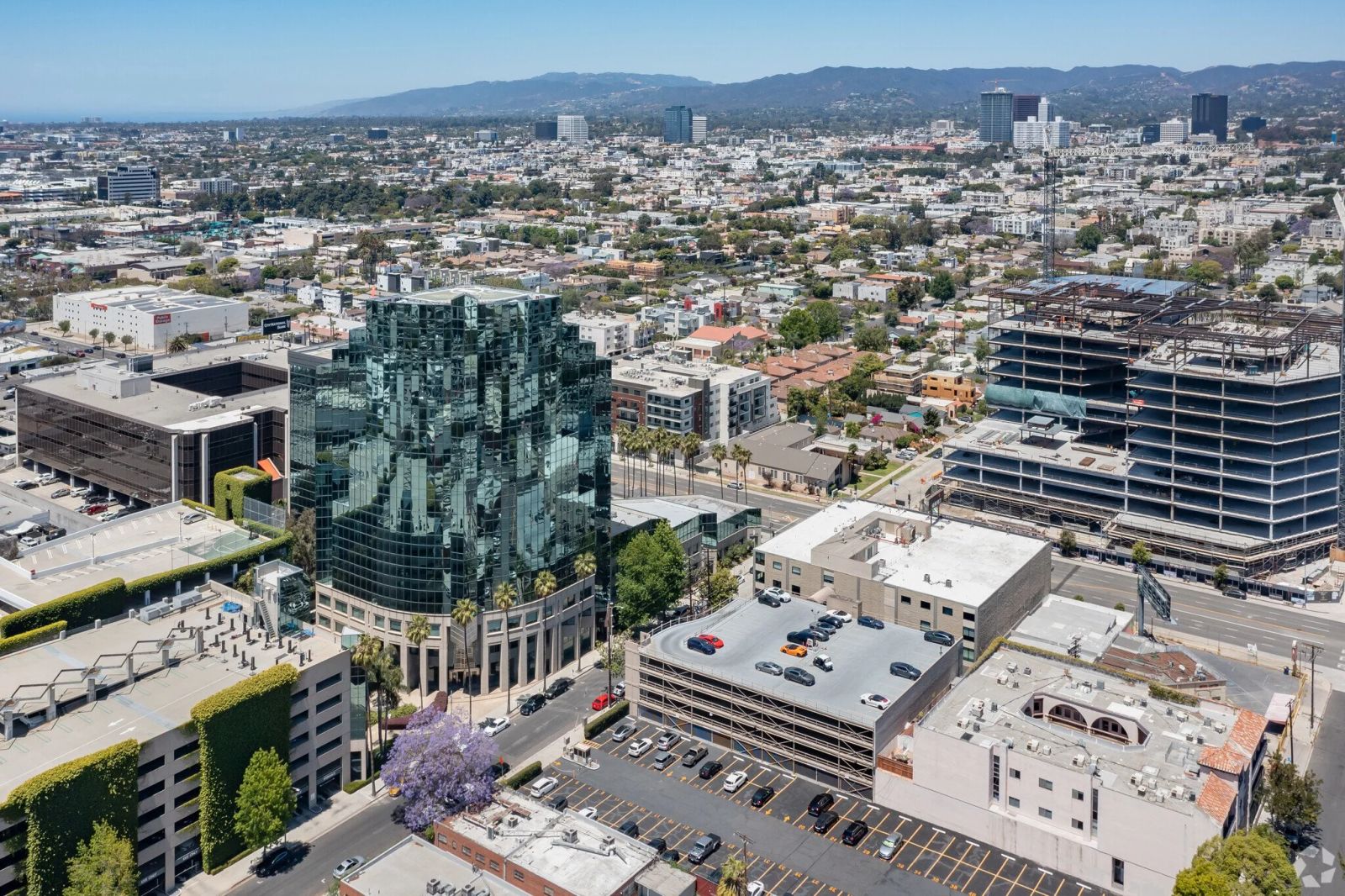
Wilshire Boulevard runs from Downtown toward the ocean and carries many of the city's office and medical buildings, from mid-rise towers to older medical arts buildings. Metro's D Line extension along Wilshire is an important long-term factor for the corridor. Reference points include the 12-story office tower at 3660 Wilshire and the medical arts building at 6221 Wilshire. Here, more than most places, building quality and tenant profile separate one address from the next.
West Los Angeles and Westwood
The Westside combines office, restaurant and retail demand with a limited supply of new sites. 11400 W Olympic Blvd, an office building with a ground-floor restaurant, and 901 Westwood Blvd, a retail and restaurant space, are typical of properties where street presence supports the income.
Melrose, La Cienega and Hollywood
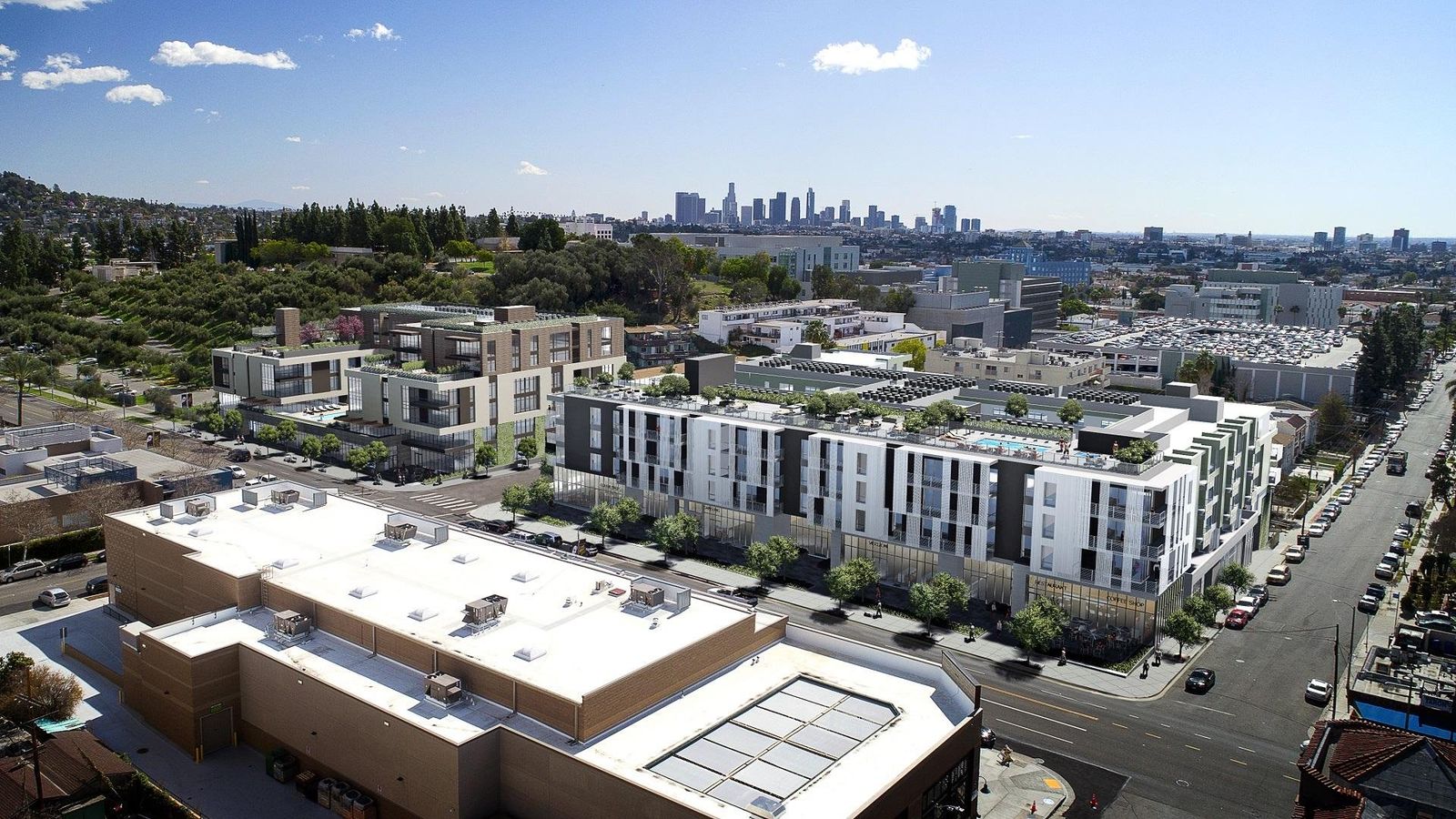
These corridors reward identity. Retail on streets such as Melrose Avenue and compounds such as 910 N La Cienega Blvd depend on brand and foot traffic. Hollywood adds new construction and development, from mixed-use at 4900 Hollywood Blvd to the double-lot housing site on N Gower St, where entitlements are central to the value.
Downtown Los Angeles
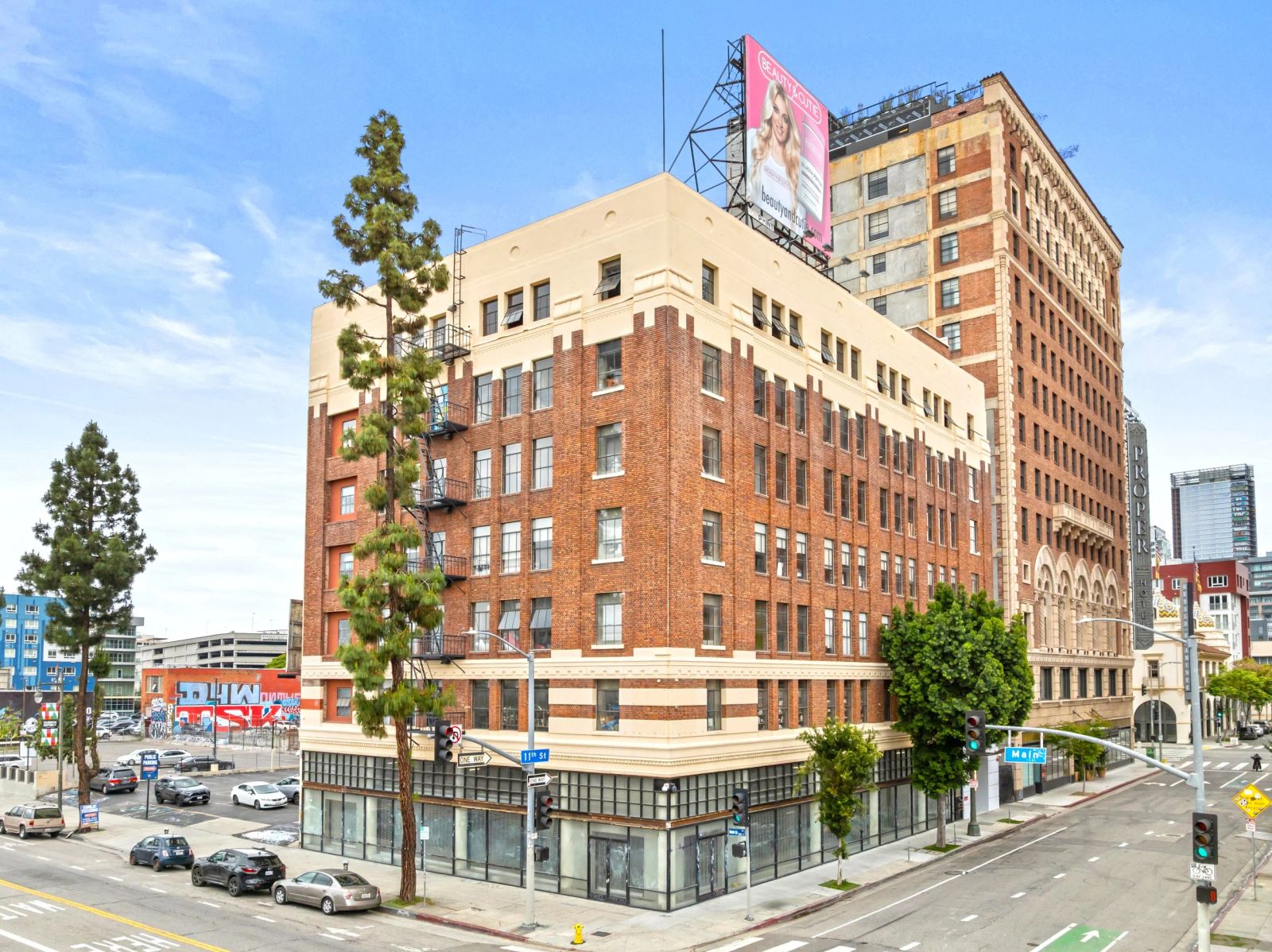
Downtown holds historic buildings, retail streets and pockets of industrial use close together. Adaptive reuse has long been part of how older buildings here find new life, which makes the building's bones and its code path as important as its rent roll. See 317 S Broadway and the Harris Building at 110 W 11th St.
Burbank, Glendale and the Valley
Burbank's media and studio employers support restaurants and neighborhood retail, as on W Riverside Dr. Further west, the San Fernando Valley has office parks and medical properties, including 15230 Burbank Blvd in Sherman Oaks and the medical plaza at 8327 Reseda Blvd in Northridge. Burbank and Glendale are separate cities, so transfer taxes differ from neighboring Los Angeles.
The industrial southeast
Commerce, Huntington Park and the areas around them serve the freeway corridors that link Los Angeles to the ports. Land for new industrial buildings is scarce here, which is why assemblages such as 5001-5023 E Washington Blvd and compounds such as 5205 Pacific Blvd draw attention. Yard space, loading, power and truck access can matter more than the building itself.
The coast
Santa Monica, Malibu and El Segundo are distinct markets that share a limited supply of property. 1540 6th St in Santa Monica and the corner development site on Puerco Canyon Road in Malibu show how varied that supply can be, while 2140 E El Segundo Blvd is a new-construction retail center. Santa Monica has its own higher transfer tax tier on larger sales.
Choosing between them
A submarket narrows the search, but it does not answer the question. The next step is the property itself: see how we judge a property and which property types suit which owners, or browse the full Los Angeles hub. To discuss a specific market, talk to our commercial brokerage in Los Angeles.
This article is general information, not tax, legal or financial advice. Properties are shown as representative assignments and are not offered for sale here.